The safari almanac
There is no best month. There are twelve trips.
Every month in Kenya gives you something and takes something away. This site sets out the trade in each one, so you can choose the window that suits the trip you want rather than the one everybody else books.
- Wettest
- April, and usually May
- Busiest
- August
- Best value at high quality
- February, late September
- Crossings most likely
- August – September
Averages, not a timetable. East African rainfall has become less predictable and the rains regularly arrive early or late.
The argument
Most people book August by default
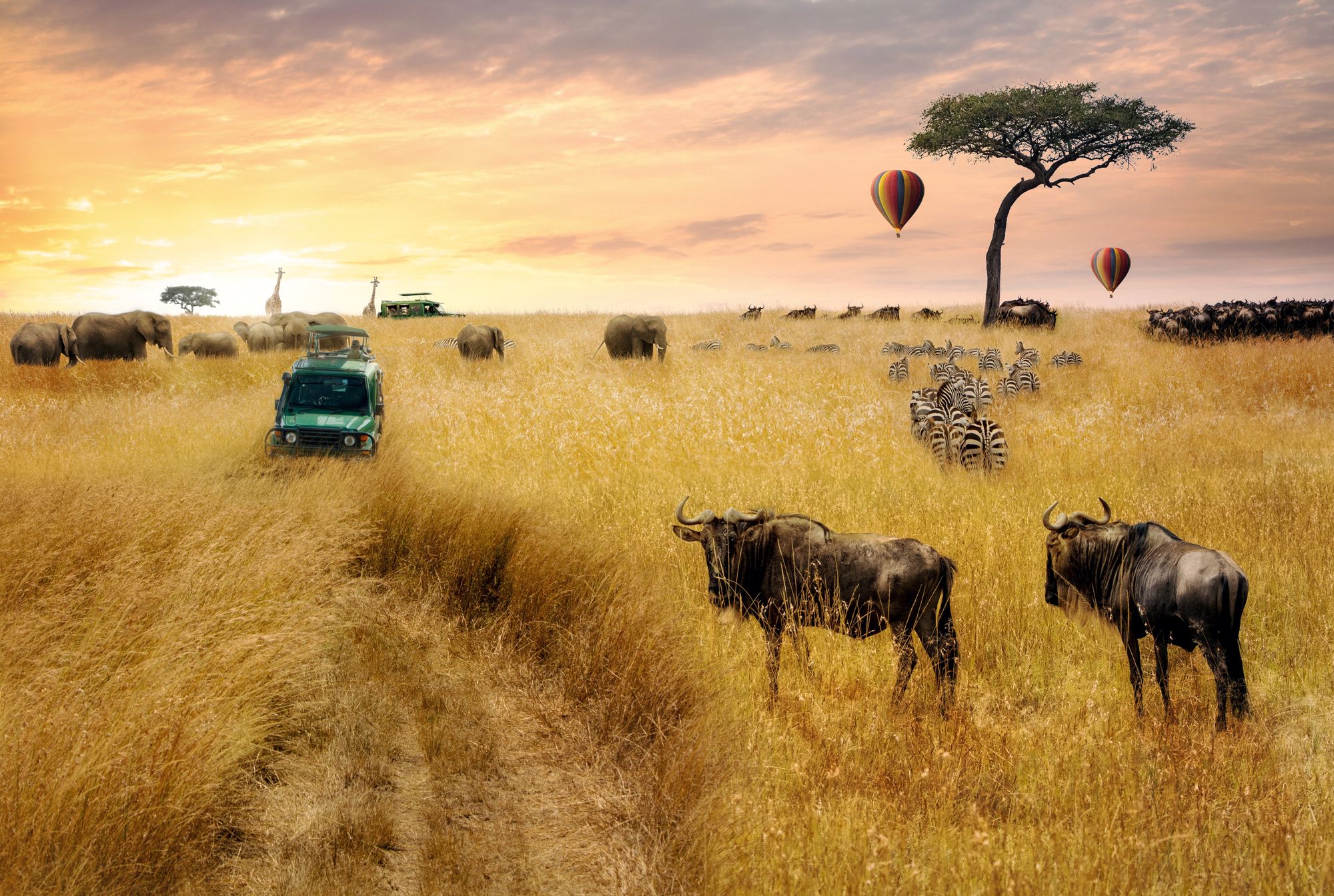
August is the month people picture: dry grass, crossings on the Mara River, a hot-air balloon at dawn. It is a wonderful month and it is also the most expensive, the most crowded and the first to sell out.
The useful question is not "when is the best time?" but "what do I want most, and when does Kenya do that?" If the answer is river crossings, you want a narrow window. If it is anything else — few vehicles, green photographs, a lower bill, birds, a beach — the calendar opens right up.
- February has superb game viewing at a fraction of August’s rates
- Late September often has crossings with noticeably fewer vehicles
- November’s short rains are mostly afternoon storms, not lost days
- April and May are the cheapest and greenest months of the year
- The coast runs on a different calendar from the parks entirely
Four ways to read the year
Start wherever your question starts
Some people arrive with dates fixed and want to know what they will get. Others have a thing they want to see and need the date. Both work.
Month by month
All twelve, each with the weather, the wildlife, the crowds and the price. Start here if your dates are already fixed.
Open the calendar
How the seasons work
Two rainy seasons, no summer or winter, and altitude that makes the evenings cold. The physics behind the calendar.
Understand the pattern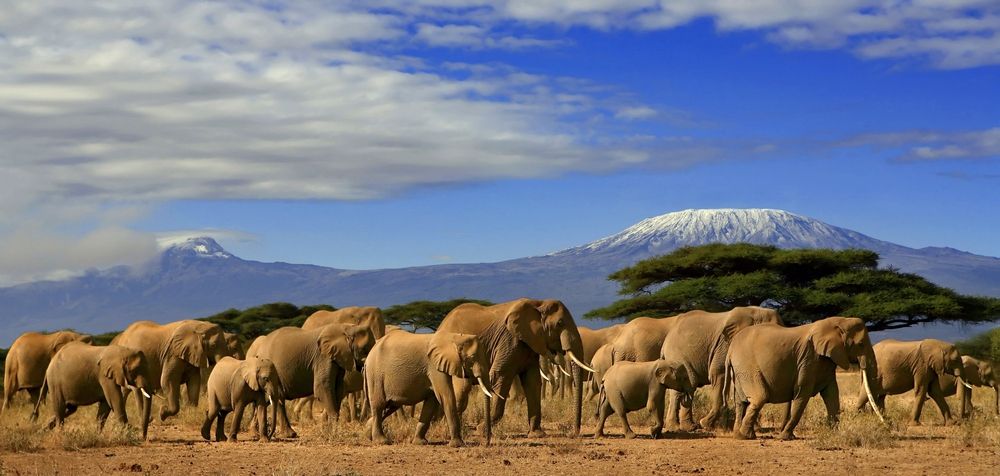
Region by region
The Mara, Amboseli, Laikipia, the north, the Rift lakes and the coast are not on the same calendar. Where you go changes when you go.
Compare the regions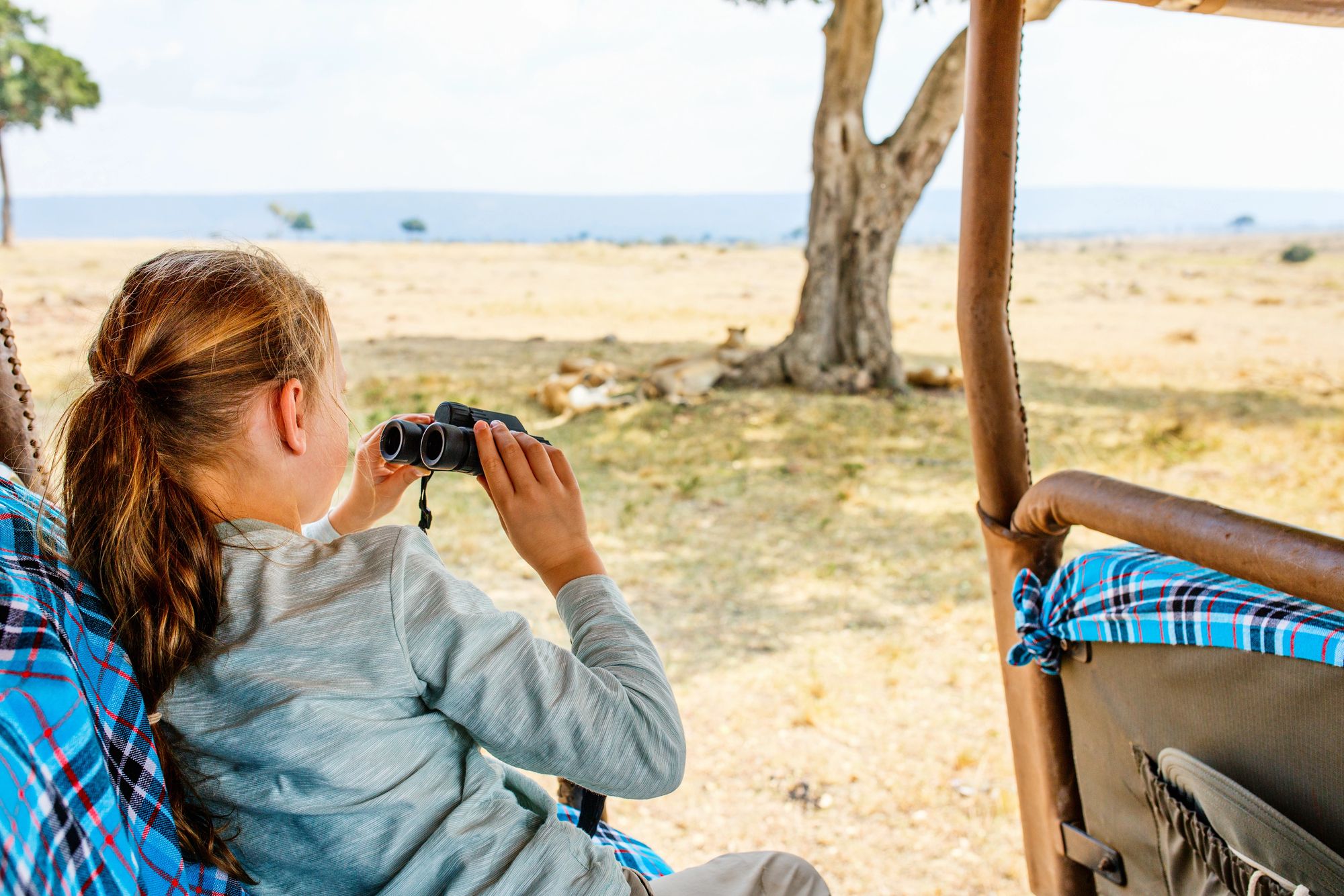
Best month for…
Crossings, families, birding, photography, honeymoons, value, Kilimanjaro views and the beach — each has a different answer.
Find your monthThe short version
The year on one screen
| Months | Weather | Wildlife | Crowds and price |
|---|---|---|---|
| January – February | Hot, dry, clear air | Excellent. Kilimanjaro at its most visible. | Quiet after the first week of January |
| March | Dry, then the long rains usually arrive late | Very good early, greening late | Quiet, rates falling |
| April – May | The wettest stretch of the year | Green and dispersed; superb birding | Cheapest of the year. Some camps close. |
| June | Drying out, cool nights | Improving week by week | Quiet, the last of the shoulder rates |
| July – August | Dry and cool | Wildebeest arrive; crossings most likely | Peak. Book six to twelve months ahead. |
| September – October | Dry, warming through October | Still excellent; herds drift south in October | Eases through September; October quieter |
| November – December | Short rains, mostly afternoon storms | Green flush, migrant birds, good viewing | Low rates until Christmas, then peak |
What we will not do
We will not promise you a river crossing
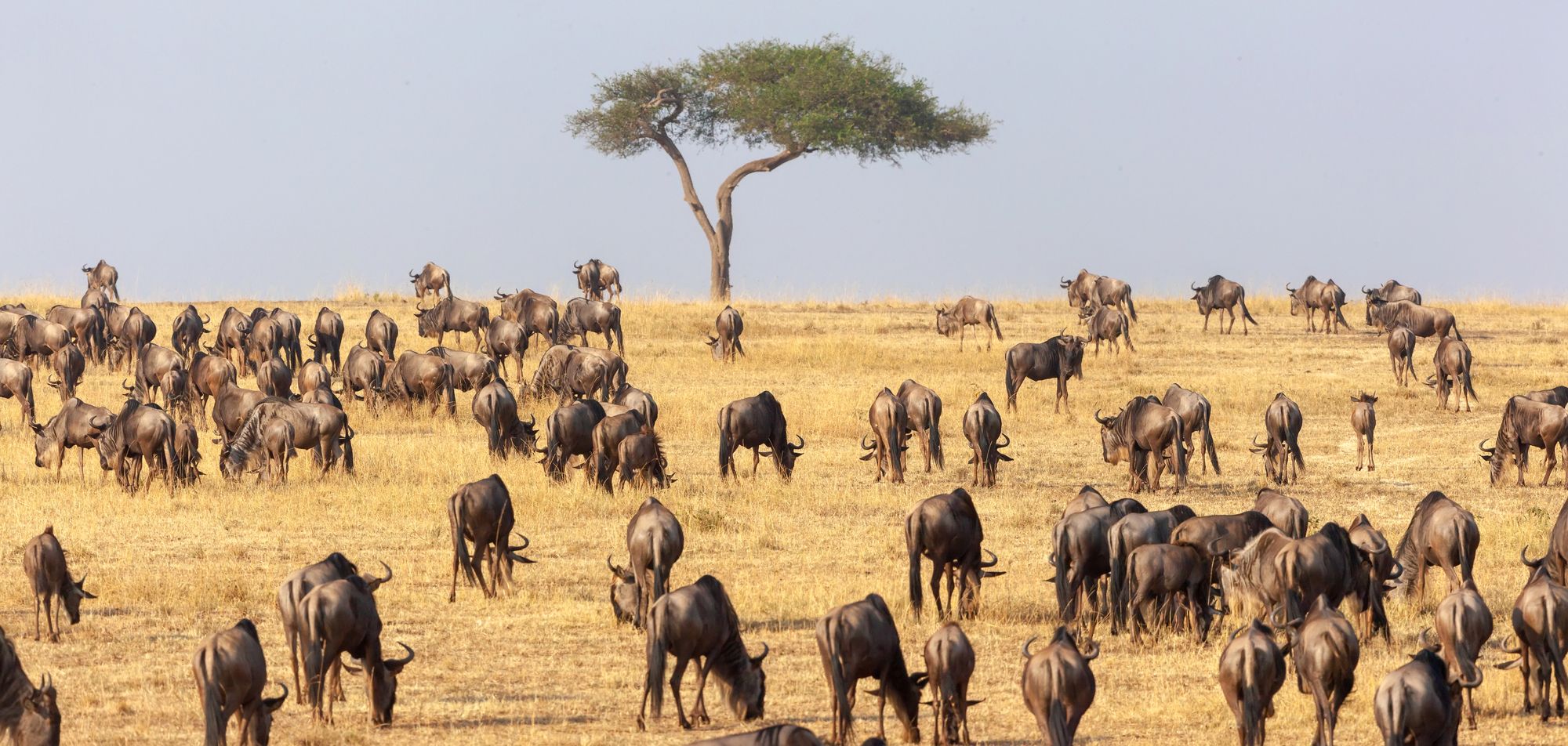
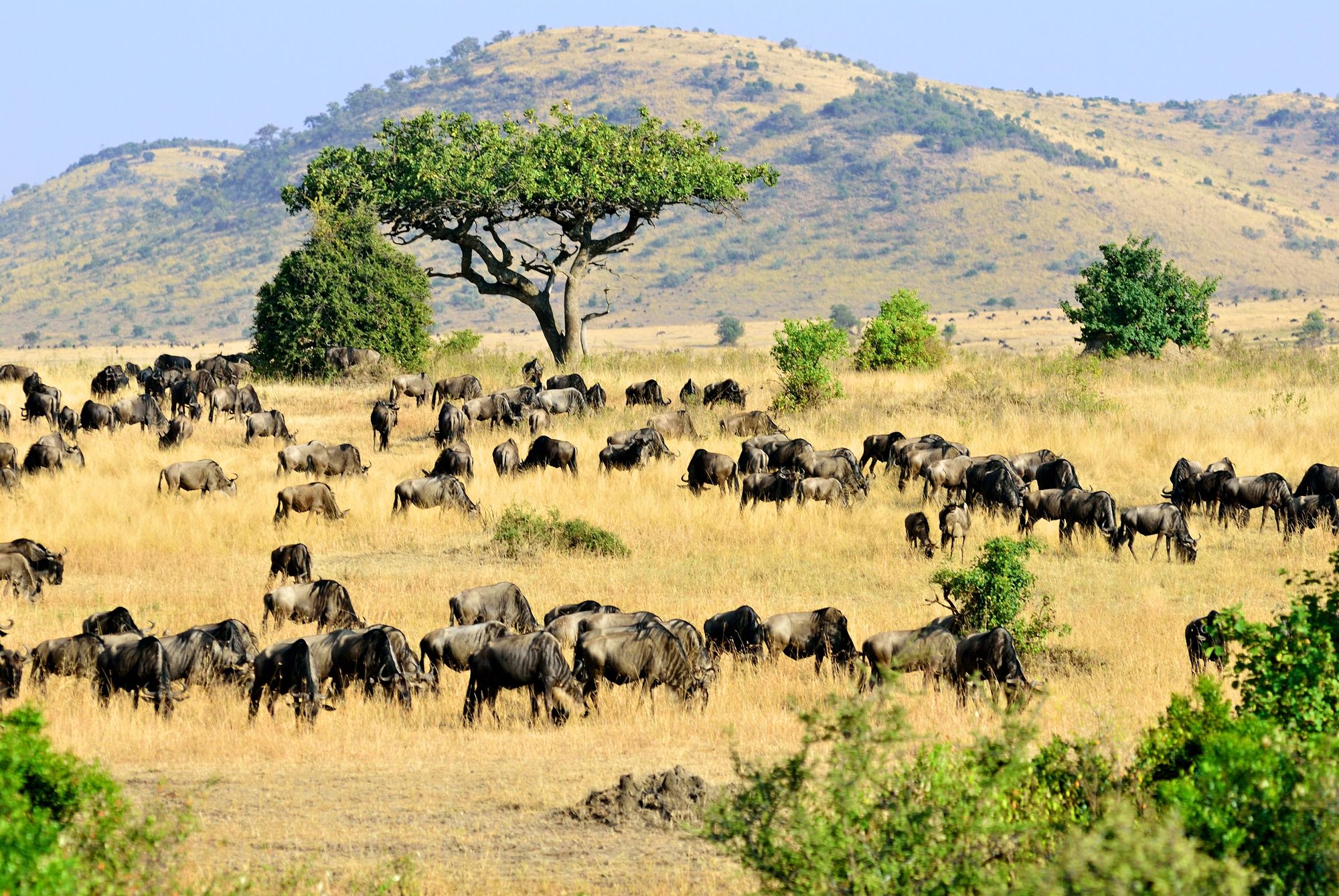
The wildebeest move on grass and rain, not on a calendar. A crossing can take four days of waiting on a riverbank, or happen twice before breakfast, and the same week can do both in consecutive years.
What we can do is put you in the right place at the right time with a guide who knows where the herds slept, and be straight with you about the odds. Anyone who guarantees a crossing is selling you something they do not control.
- August and September are the likeliest weeks, not the certain ones
- Three nights in the Mara gives you a far better chance than two
- A conservancy stay lets you move when the news comes in
- Nothing about the migration is refundable if it does not perform
Free download
The Kenya Safari Calendar
All twelve months on one page each — rain, wildlife, migration, crowds and price — plus the things to check before you fix a date.
- How Kenya’s two rainy seasons actually work
- The twelve months, each with what you gain and what you give up
- Where the wildebeest are, month by month
- Which months are peak, shoulder and low — and what that does to price
- How the coast runs on a different calendar from the parks
- The green-season case, made honestly
- Six questions to ask before you fix your dates
No cost, no obligation. We ask for an email so we can send it and, if you want it, follow up once.
In their words
What travellers say
No reviews are shown because none have been supplied yet. Add them to
shared/placeholders.mjs → testimonials, using the traveller's real
name, month of travel and written permission. This block renders automatically once the
array is non-empty. Nothing invented is ever published here.
Before you ask
The timing questions we get most
What is the single best month to visit Kenya?
If you are set on seeing the wildebeest cross the Mara River, late August or early September. That is the only question with a narrow answer.
For everything else the honest answer is that several months are excellent and they cost very different amounts. February and late September both give you superb game viewing for less than peak August.
Is it worth avoiding the rainy season?
April and the first half of May, usually yes — it is the wettest stretch of the year, some camps close, and tracks in parts of the Mara become hard work.
November is a different matter. The short rains typically come as heavy afternoon storms rather than all-day rain, the country turns green, the light is extraordinary and the rates are low. A lot of experienced travellers deliberately choose it.
How far ahead do we need to book for July and August?
For a specific camp in the Mara in peak season, six to twelve months is normal, and the well-known small camps go earlier than that.
For other months, three to six months is usually comfortable. If your dates are fixed by school holidays, treat them as peak regardless of the month.
Will it be hot?
Less than most people expect on safari, and more than most expect on the coast. The Mara sits at altitude — daytime temperatures are usually pleasant and mornings on an open vehicle are genuinely cold, especially in June and July.
Amboseli, Samburu and the northern drylands are a different matter: those are low, hot places, and midday in January or February is uncomfortable. The coast is hot and humid all year.
How far ahead should I book?
For July to October — the migration months in the Masai Mara — six to twelve months is normal, and the best small camps sell out first. Christmas and New Year book up just as early.
For the shoulder months, three to four months is usually comfortable. Inside eight weeks we can still put a very good trip together, but you are choosing from what is left rather than from everything.
Who actually arranges my safari?
This site is a planning guide. When you send an enquiry it goes to Nomad Africa, our partner travel agency in Kenya, who prepare your itinerary and quote and handle the booking, the payments and you on the ground.
You deal with one team from the first email to the airport transfer home.
Start planning
Tell us the dates you can actually travel
Most people cannot move their dates much — school terms, leave, a wedding. Send us the window you have and we will tell you what Kenya does in it, and where to spend it.
Our Kenya specialist replies within 24 hours.
- What your window realistically gives you, and what it does not
- Whether shifting by a fortnight would get you a better trip for less
- Which camps are open, and which are already full
- A route built for your month rather than a generic one
Who answers
Nomad Africa, our partner travel agency in Nairobi, builds and prices every itinerary we send. You deal with one team, on the ground, for the whole trip.
Licence and membership numbers appear here once filled in at
shared/placeholders.mjs → partner. Nothing is claimed until it is verified.
Get your tailored itinerary and quote
Our Kenya specialist replies within 24 hours with a costed plan built around your dates.
More from our Kenya guides
Specialist guides across our Kenya network
Each of these is a focused guide we publish. Same Kenya specialist behind every enquiry.